Riverland growers getting on top of weed challenges
05/05/2026
Solutions that manage weed challenges in regions with increasingly limited herbicide options are always appreciated by growers – especially when the solutions also provide longer control, reduce ongoing weed burdens and present no risk to produce quality.
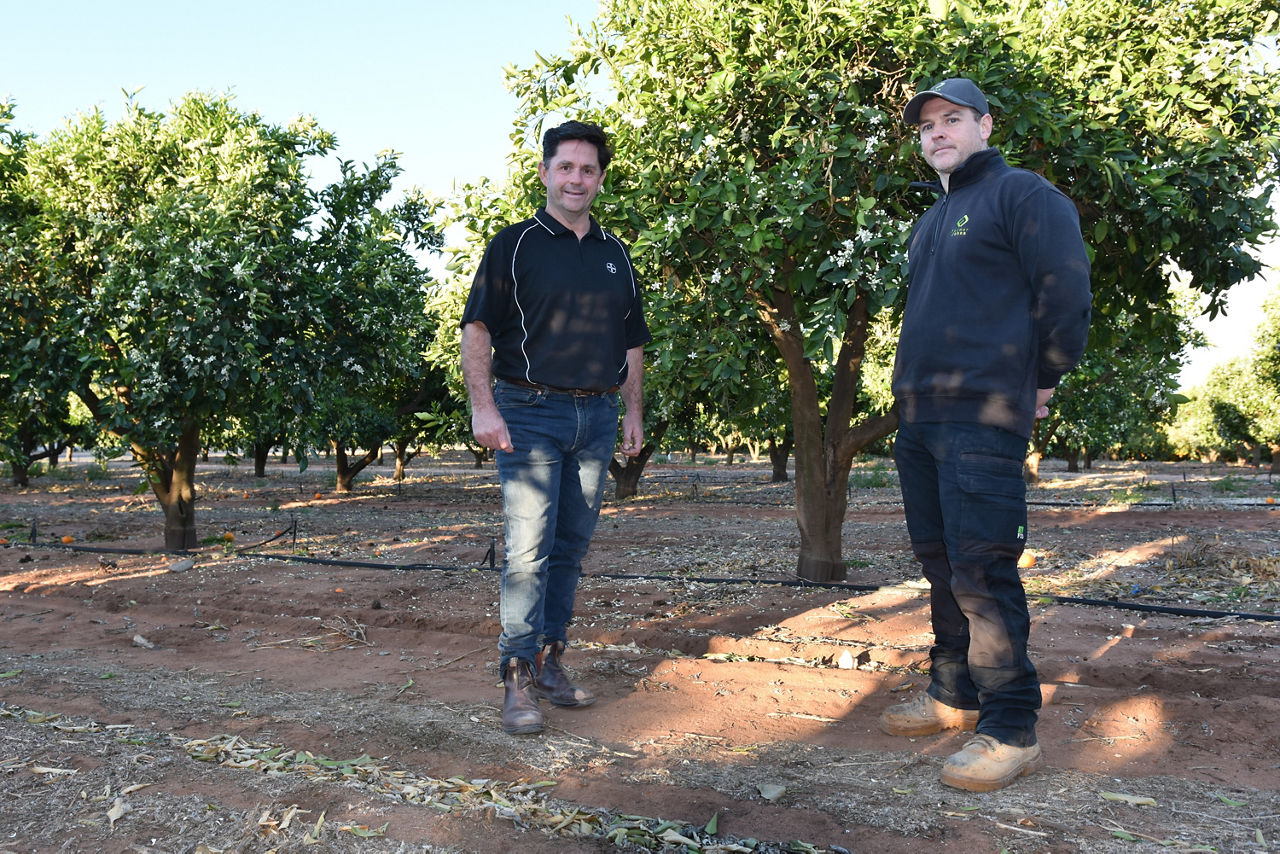
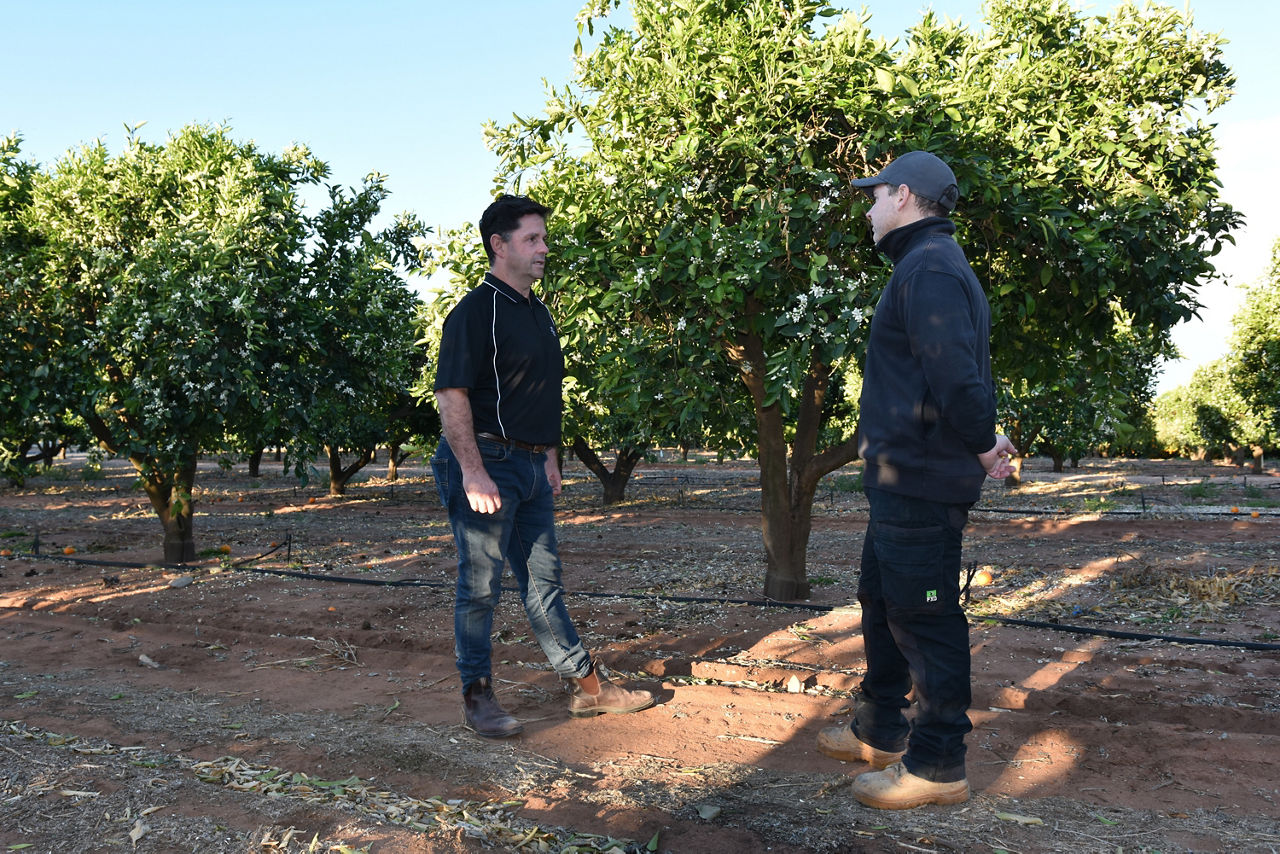
Fortunately, in recent seasons for tree crop and viticulture growers in the Waikerie area of the Riverland region in South Australia, this has been their experience.
Avocado, pistachio and citrus are the main tree crops grown in the area, alongside winegrape vineyards. Cobbler’s pegs and flaxleaf fleabane have been the problem weeds in more recent times, after previously struggling to manage Feathertop Rhodes grass.
Controlling these weeds has been difficult due to a range of issues, including limited herbicide options and timing issues, related to both application prior to budburst to avoid crop damage and the requirement for rainfall for herbicide integration even with drip irrigated crops.
Shaun Pick, who previously managed the local Farmer Johns business in the region, said Uragan® and diuron herbicides were previously used before diuron use was restricted, leaving greater reliance on Uragan alone.
He said pendimethalin herbicide also had been used in tandem with Uragan, however the rainfall requirement and application timing restriction presented challenges, especially in citrus crops.
“Uragan was used through the season and pendimethalin in late winter or spring to ensure it would be watered in,” Shaun said.
“Typically, the control from pendimethalin also tends to run out of legs during the peak periods we are looking to get control, so that’s always been an issue.”
He said the recent arrival of the long-acting Alion® pre-emergent grass and broadleaf weed herbicide for use in vine and citrus and almond crops had been a “game-changer”.
Containing the active ingredient, indaziflam, Alion is a Group 29 (formerly Group O) broad-spectrum herbicide developed by Bayer that provides pre-emergent weed control for up to 10 months.
“I first saw Alion at an Adelaide Hills trial site and I noticed its length of control and that it wasn’t as fussy in terms of timing and the need for rainfall in a 24-48 hour period,” Shaun said.
“It was a few weeks later before rain fell and that makes it a key for this region, being on drip irrigation predominantly.
“There are also not too many products out there with the range of weeds it controls on label. As soon as I knew it would control cobbler’s pegs and flaxleaf fleabane, I thought it would be a great fit, and especially with some of the label constraints we have with post-budburst application of other herbicides in grapes.
“In citrus as well, the fruit on/fruit off period is key for applications and you can’t have crop volatility that could damage or mark fruit, so Alion is a good fit for us in the Riverland.”
He said the ability to apply Alion post-budburst in viticulture was a “game-changer”.
“We can time the application and know we are going to have the length of control we want and that it’s going to keep us clean well past vintage.”
“We could go out and do an early season Basta® (glufosinate), or possibly Sprayseed® (paraquat/diquat) and put Alion out at the same time with good confidence, knowing you are not coming back into the orchard or vineyard for a good period after that.
“This has meant we can target control around our summertime weeds and late cobbler’s pegs, where we were really fighting and doing up to four sprays in a season to keep it under control.
“Saving up to three to four sprays in a vineyard in a season – that’s manpower, that’s hours, that’s diesel saved, and it makes blocks easier for managers to run. They can be confident that they can concentrate on other tasks during the season to better produce good quality fruit, like disease control.
“Alion has saved a lot of time and dollars, and they can be confident that when it gets to vintage, they are not going to have taint from cobbler’s pegs, thistle or fleabane up in the canopy while they are picking. So the quality of the end product is going to be better.”
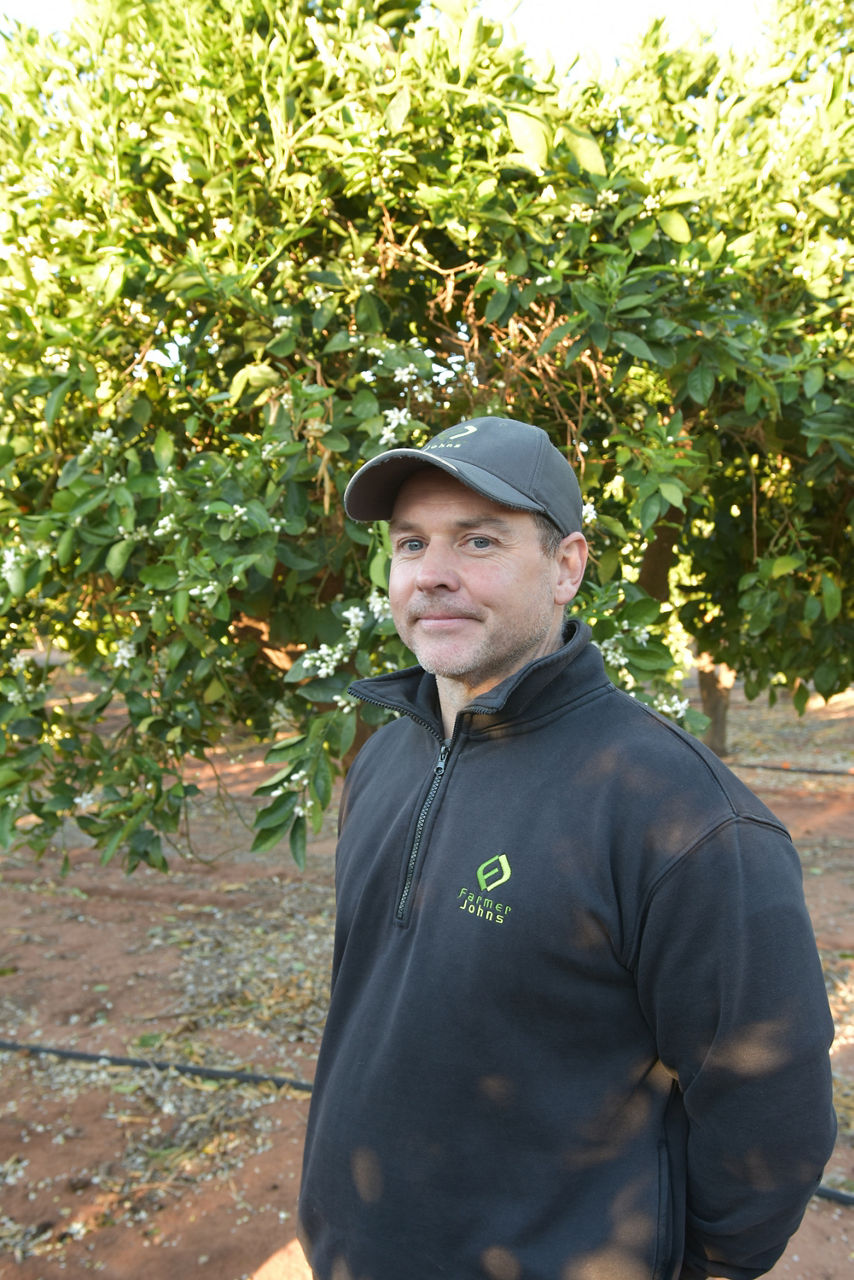
Shaun said Alion’s limited movement in soils and its role in herbicide resistance management were further positives.
“With some other herbicides on the slightly sandy, lighter soils we have in the Riverland, I would worry that there tends to be some soil movement in the profile, whereas I’m confident with Alion that it will be where we apply it and it will stay there for its duration, but we always make sure we don’t use it in areas that are more than 85% sand.”
“Resistance management is at the forefront for all of us and there are restrictions around when you can and can’t use certain herbicides. With Alion, there’s a big window of application and it gives us a good rotation partner, especially in citrus. With Uragan and pendimethalin, they were the only two we had left, so this gives us another arrow we can put in the quiver.”
He said growers were observant in the first year of Alion applications, similar to the industry inspecting initial field trials with the product, and sales in the Riverland region had since been exceptional.
“Growers are always looking to keep their rows clean to prevent moisture competition and blocked sprinklers causing downtime, plus it’s easier for pickers to carry out their task during picking season.”
“They are really responding to how well Alion works and its length of control. They are so much more confident to go out, apply the product and know they are going to get good control,” Shaun said.