Brand Logo

Bollgard® 3 cotton

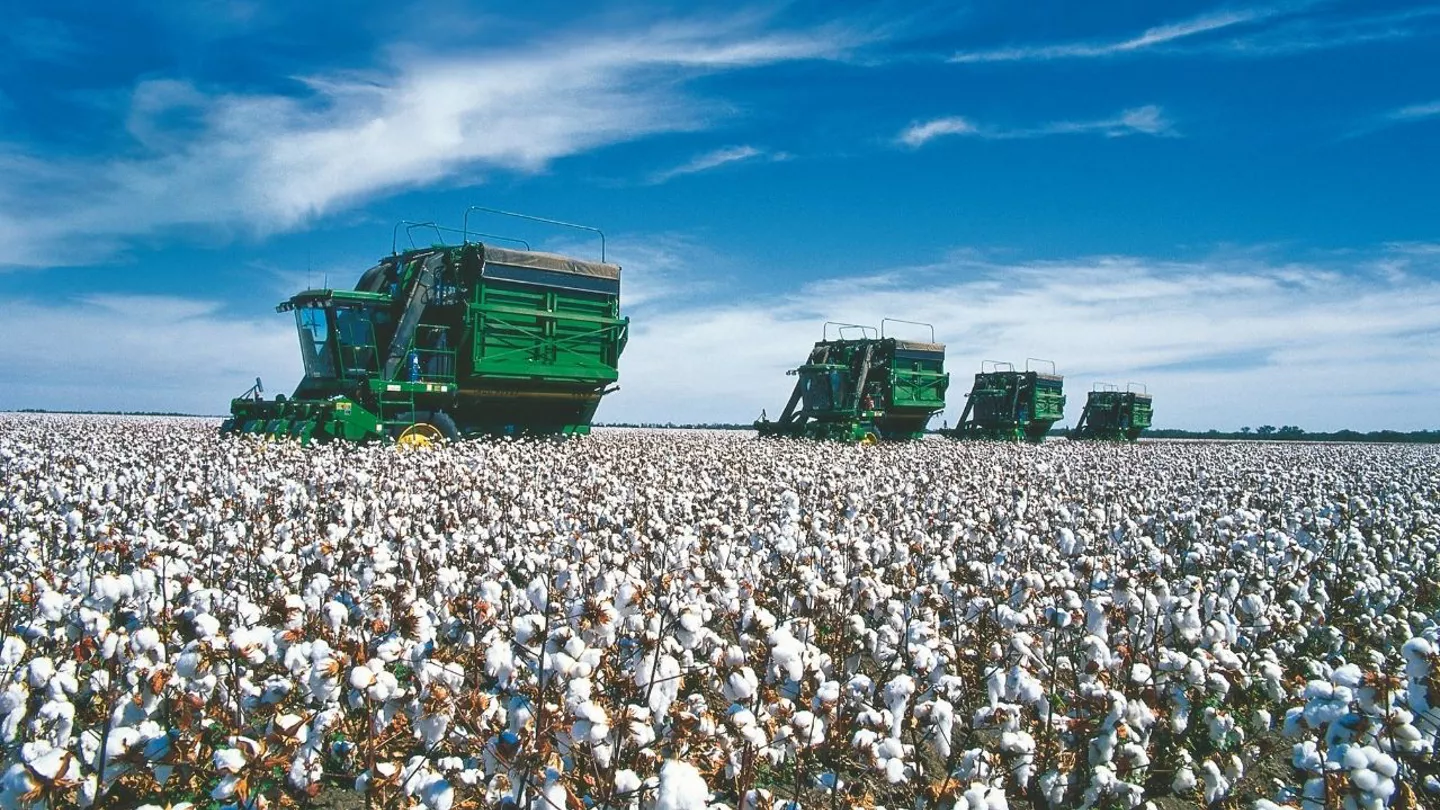
Bollgard® 3 is a third-generation insect control trait technology that provides three different modes of action to target Helicoverpa species – the main pest affecting cotton grown in Australia. The evolution of Bollgard technology over the last 25+ years has resulted in a significant reduction in insecticide applications in Australian cotton crops. This not only provides a more sustainable solution for cotton growers, but provides added protection against crop damage and yield loss.
Hero Image

Features & Benefits

Three active proteins

Each of the three proteins in Bollgard 3 - Cry1Ac, Cry2Ab and Vip3A - kills the larvae in a different way. This allows growers to effectively control H. armigera and H. puntigera for most of the cotton season.

Reduced need for broad-spectrum pesticide sprays

Bollgard 3 significantly reduces the need for application of broad-spectrum pesticides, giving other insects, including beneficial species, the chance to develop.

Greater first position fruit retention sprays

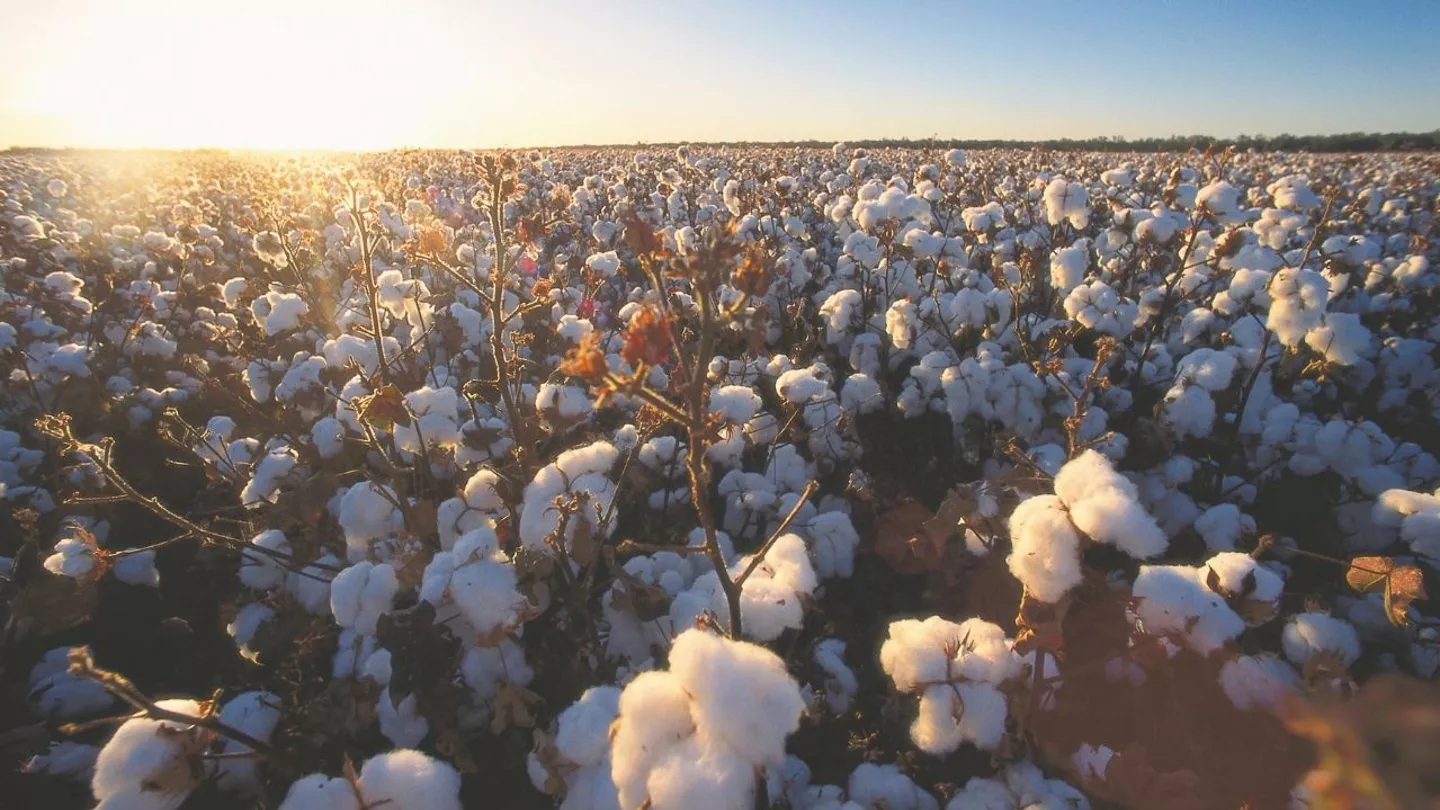
In comparison with conventional cotton plants, Bollgard 3 plants have a significantly higher first-position retention on the bottom five fruiting branches. Loss of first-position fruit can result in a significant yield penalty.

What is Bollgard 3

Bollgard 3 is a biotechnology trait that reduces the need to spray for Helicoverpa spp. the main cotton pest for Australian growers.

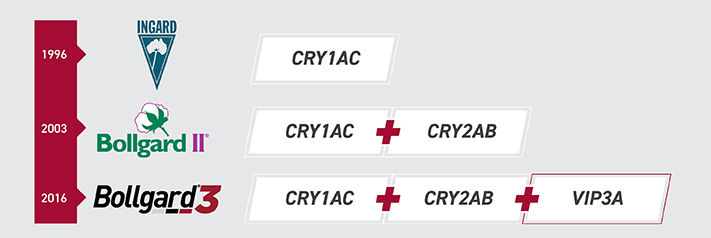
Bollgard 3 contains three proteins, Cry1Ac, Cry2AB and Vip3A, each 'killing' larvae in a different way.

Having three different active proteins increases the sustainability of the technology as it is difficult for helicoverpa to develop resistance to more than one of the Bt Proteins.

Bollgard 3 plays a critical role in protecting the technology, ensuring that it will continue to perform the way that growers need and expect for many years to come.
Bollgard 3 Web Asset

The addition of a third protein, Vip3A, reinforces the Bt proteins found in Bollgard II® – Cry1Ac and Cry2Ab. Three proteins will increase the longevity of the technology as each provides a different mode of action or ‘kill’ Helicoverpa spp. larvae in a different way.
Approved under DIR066 and DIR124 for use in Australia

Resources